If you suffer from ED, you're not alone. More men than ever are experiencing this common problem, and a doctor can help you get the help you need. The symptoms of ED can be caused by other medical conditions, and a doctor can screen for those conditions and recommend treatment options. You can also find out about treatment options and resources available to you if you suspect you're suffering from ED. Listed below are some of the most important tips for men seeking help.
What is erectile dysfunction (ED)?
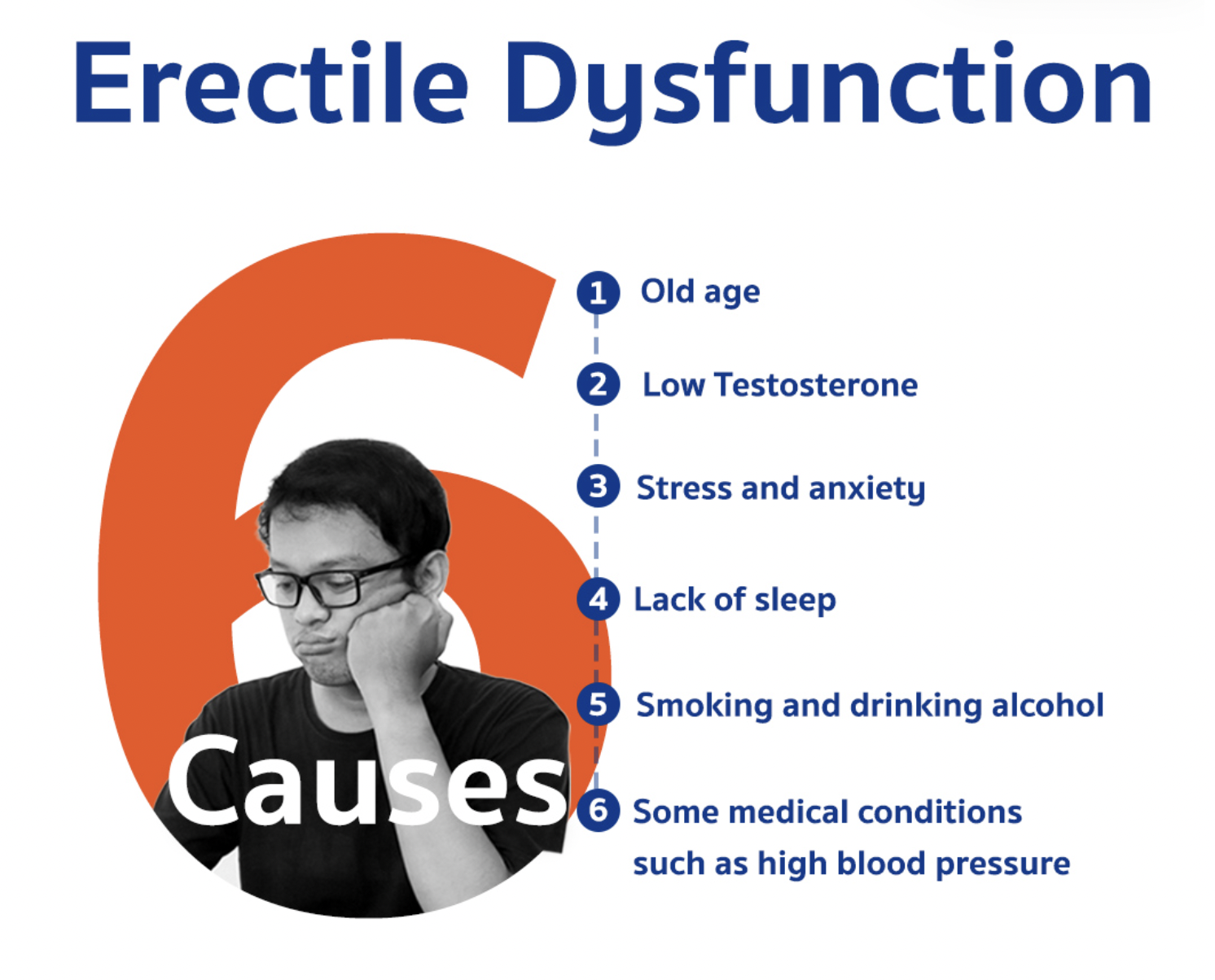
First, it's important to understand the causes of erectile dysfunction. Men have many possible causes. Several factors influence blood flow, hormone levels, and the nervous system. Psychological factors are also thought to contribute to the condition. Research has also indicated that erectile dysfunction is much more common in gay men than in heterosexual men. The exact causes of erectile dysfunction are still not fully understood, but researchers suggest more study is necessary to find the root cause of the problem.
Other causes of erectile dysfunction can include aging, diabetes, and high blood pressure. While the symptoms of ED can last for up to 3 months, it can also be the result of a underlying condition. Treatment options may include medication, surgery, and penile implants, or prosthesis. The goal of each method is to improve the quality of life for the sufferer and improve their quality of life. Regardless of the cause, proper diagnosis is essential in getting the treatment you need to improve sexual function.
Premature Ejaculation (PE) Therapy
If the symptoms of ED are a sign of a serious medical condition, your doctor will perform a complete physical exam. He or she will look for any signs of nerve problems, poor circulation, and other issues in the genital area. Some lab tests may be ordered, including a complete blood count and liver enzymes. If your doctor suspects a medical problem, he or she will likely prescribe a treatment for you based on your symptoms.
An erection is a vital part of sexual intercourse. A healthy nervous system is crucial for achieving an erection. Certain conditions, such as Parkinson's disease, Alzheimer's disease, or stroke, can cause ED. Certain medicines may interfere with the nerves in the penis, causing erectile failure. Several medications can also cause ED, and you should check with your doctor if you think you may have a connection with any of them.
Vacuum devices can be used to treat partial erections. This device is similar to a stent. It consists of a plastic cylinder connected to a pump and a constriction ring. Vacuum pumps are battery-powered or manual, and use suction to create a vacuum in the penis. The device stays in place for up to 30 minutes, allowing the man to achieve an erection safely. Some patients, however, dislike the inconvenience and lack of spontaneity.
Erectile dysfunction diagnosis
Injections may be necessary for men with ED. These medications work by widening blood vessels inside the penis, triggering an erection. In addition to medications, there are also several lifestyle changes you can make to improve the health of your penis. If none of these work, consider a medical procedure. There are many options to choose from - the right one for you will depend on your individual situation. Some hormonal meds can treat ED if the symptoms are caused by low hormone levels.
Penile implants may be another option for people with long-term ED. There are several types, including inflatable ones that use two cylinders full of pressurized fluid, and malleable ones that use rods to help the penis reach an erect position. In addition to physical interventions, men can seek therapy to treat the psychological causes of their condition. Psychotherapy helps both men and their partners reduce performance anxiety, and it may help them adjust to the new use of a vacuum device.
New Erectile dysfunction treatment
While stem cell therapy is new treatment option for erectile dysfunction it does provide patients the ability to maintain reliable erections, the duration of each one is short-lived and often accompanied by a climax. However, this treatment might not ideal for people with severe cardiovascular conditions, since cell injections are not regulated by penile nerves. If you continue taking this medication, your doctor may prescribe a lower daily dose, which can allow you to indulge spontaneously and without interruption. Moreover, some drugs can interact with other medications and even cause adverse reactions, such as heart medication.
While an erection is the primary physiological mechanism for achieving a satisfying sexual experience, several factors influence the quality of the erection. First, the penis needs to have intact blood vessel and nerve systems. In addition to this, hormones play a vital role in regulating penile blood flow. When you feel stressed, your sympathetic nervous system responds by restricting blood flow to the penis, making erection difficult. For these reasons, it's essential to maintain good mental health when you're experiencing erectile dysfunction.